
Educational
AI and Creativity: Tool, Collaborator or Replacement?
Artificial intelligence is changing how we write, design, make films and create images. Ideas that once required hours of work, expensive equipment or an entire team can now take shape in seconds. For creatives, this is exciting. But it raises an important question: when does a tool that helps us create become a tool that replaces the need for us to create at all?
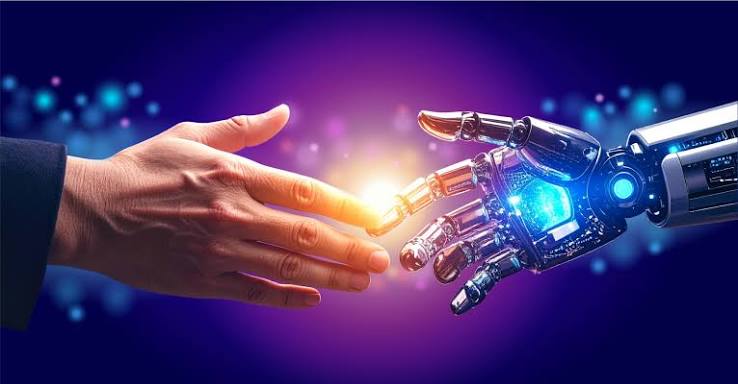
AI can help a young filmmaker develop a visual concept without an expensive production crew, allow a designer to explore multiple ideas quickly, or help a writer articulate a difficult thought.
In an environment where talent does not always come with funding, equipment or industry connections, this accessibility matters. AI could give more people the opportunity to experiment, tell stories and participate in creative work.
But the ability to produce something does not automatically mean understanding what makes it meaningful. Generating an image is not the same as understanding visual storytelling, just as producing a script does not necessarily make someone a good storyteller.
Making something and having something to say are two different things.
When everything looks finished
AI can make creative work look polished almost instantly. An image can appear professional, a paragraph can sound convincing, and a video can resemble a full production.
Yet creativity has never been solely about the final product. A photograph can document a moment, a film can reflect a director’s lived experience, and a piece of writing can reveal something deeply personal.
AI-generated work is not automatically meaningless, just as human-made work is not automatically original. The more important question is what the work communicates and why it exists.
In a culture increasingly obsessed with speed and volume, there is a risk that we will value how much we produce over what we actually have to say.
AI raises important questions about consent, copyright and compensation. When a system learns from existing creative work or generates something resembling an artist’s style, we must consider whether creators’ rights are being respected. Making creativity easier should not mean disregarding the people behind it.
AI can recreate the appearance of a Nigerian street or tell a story resembling a community’s experience, but that does not mean it understands or documents the lives of the people involved. Culture is more than an aesthetic; it is shaped by real people, histories and experiences.
AI can make creative work more accessible and efficient, but it can also replace certain jobs and threaten livelihoods. The challenge is to embrace its potential while ensuring that creative professionals are treated fairly and that technological progress does not come at their expense.
At Uncharted, discovering and documenting overlooked talent remains central to the mission. In a world where AI can generate almost anything, what matters is the intention, originality and impact behind the work.
We do not need to reject technology to protect creativity. We need to use it thoughtfully, value the people behind the work and remain curious about the stories worth telling.
If AI can help us create almost anything, the real question is: what is worth creating?
Join the conversation
Comments
No comments yet. Be the first to share your thoughts.
Leave a Comment
Have something to add? We'd love to hear your thoughts.